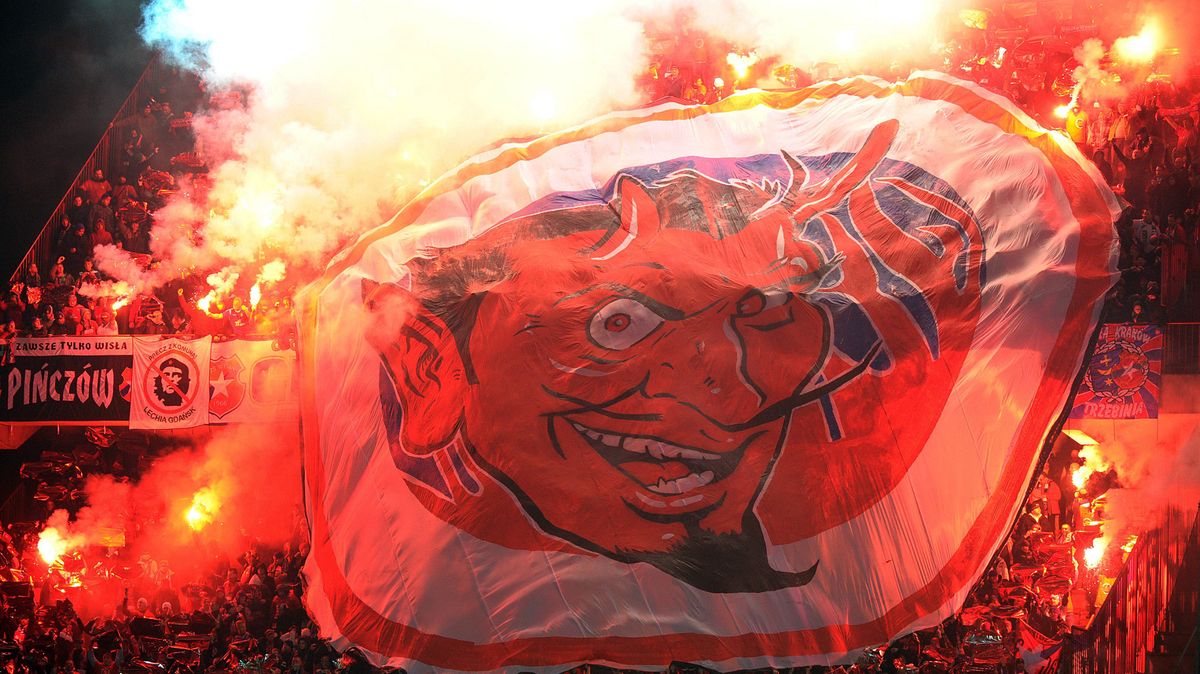
The Dark Underbelly of the Beautiful Game: Polish Hooligans, Drug Dealing, and Football Violence
Football, the world's most beloved sport, often conjures images of passionate fans, breathtaking goals, and thrilling competition. Yet, beneath this glittering façade lies a darker reality, particularly evident in certain regions where the beautiful game intersects with organized crime, drug dealing, and relentless violence. In Poland, the specter of hooliganism has long cast a shadow over domestic football, with its ties to serious criminal activities, including drug distribution, reaching disturbing levels. This intricate web of football hooliganism and illicit enterprises creates a challenging environment for authorities and tarnishes the sport's integrity. The term fußball drogendealer—or football drug dealer—is not merely a sensational headline; it represents a tangible threat that infiltrates various levels of the sport.
The Shadow Economy of Polish Hooliganism
For decades, Polish football has grappled with an entrenched hooligan problem. What began as aggressive fan rivalry has evolved into a complex network often intertwined with serious criminal operations. Premier Donald Tusk, himself a football enthusiast, once starkly characterized elements within the fan scene as "murderers, drug dealers, and petty criminals." This blunt assessment highlights the grim reality that these groups are far more than just rowdy supporters; they represent a significant challenge to public safety and law enforcement.
Initially, there was a tendency by some, including former Polish Football Association President Grzegorz Lato, to downplay the severity of the hooligan problem. However, the consistent headlines generated by violent actions within the Polish league over the past decade painted a different picture. The scale of the issue became undeniable, particularly after the intervention of UEFA, which spurred Polish police into more serious action. A pivotal moment came a few years ago when anti-terror units launched raids on the homes of leaders suspected of orchestrating major football disturbances, such as those seen during the 2011 Cup Final in Bydgoszcz (Bromberg). These interventions confirmed fears that hooligan groups had strong connections to the criminal underworld, with drug dealing often serving as a primary source of funding and personal enrichment for their members.
Beyond the Stadium: The Organized Nature of Fan Violence
The violence associated with Polish hooliganism is not confined to the confines of a stadium on match day. The references reveal a deeply disturbing trend of organized "fan wars" – premeditated brawls between supporters of rival clubs, often taking place in secluded areas like forests and parks. These aren't spontaneous outbursts; they are calculated confrontations that have, tragically, led to fatalities. The level of organization required for such events underscores the sophistication and criminal intent of these groups.
Recent police operations have exposed the extent of this clandestine violence. In coordinated raids across regions like Pomerania and Silesia, authorities apprehended dozens of hooligans suspected of masterminding these brutal clashes. Facing up to three years in prison, these individuals are being held accountable for their roles in orchestrating violence that has nothing to do with genuine football support and everything to do with criminal enterprise. There have even been unverified claims circulating in online forums about similar fight arrangements being made between Polish, German, and Russian hooligan factions, pointing to a potential for international coordination in these illicit activities, although concrete evidence remains elusive.
The involvement of drug dealing in these circles provides both financial means and a power structure. Drug trafficking operations benefit from the existing networks and group loyalty found within hooligan factions, making them efficient channels for distribution and illicit profit. For many participants, the thrill of violence and the camaraderie of the group become intertwined with the lucrative opportunities offered by the drug trade, blurring the lines between fan identity and criminal identity.
When Criminality Infiltrates the Pitch: The Mateo V. Case and the Challenge for Amateur Football
While the focus on Polish hooliganism highlights organized criminality, the problem of a fußball drogendealer can manifest in various ways, sometimes in unexpected corners of the sport. A striking example from Germany illustrates how individuals with serious criminal backgrounds, including drug dealing, can infiltrate football at the amateur level, posing significant risks to clubs and the integrity of the game.
The case of Mateo V. in Munich sent shockwaves through the local amateur football scene. A talented winger for SpVgg Haidhausen, Mateo V. scored an impressive nine goals in fourteen games, all while playing under a false identity. What the club and the football community didn't know was the player's true identity and his alleged involvement in far more sinister activities. According to prosecutors, Mateo V. was a serious drug dealer, facing charges of attempted murder and armed drug trafficking. He was subsequently arrested and found to be in possession of five kilograms of amphetamines (including substances like speed and crystal meth), €50,000 in cash, several firearms, and multiple fake passports—evidence that exposed his extensive criminal operations.
The revelation devastated SpVgg Haidhausen. The club's chairman expressed utter disbelief, stating Mateo V. had been "completely inconspicuous," claiming to own a fitness studio—a façade that concealed a dangerous criminal enterprise. The club, which had even paid a transfer fee for him, was penalized with a hefty 27-point deduction by the Bavarian Football Association (BFV) for fielding an unregistered player. This incident underscores the immense challenges faced by amateur clubs in vetting players, particularly when sophisticated criminals employ elaborate measures like false identities. How can a small club, without the resources of professional organizations, effectively verify every player's background? This case serves as a stark reminder of the vulnerability of grassroots football to exploitation by individuals involved in serious crime. You can read more about this specific incident and its implications in our detailed article: Munich Football Scandal: Drug Dealer Kicked Under False Name.
The problem isn't isolated; it's a symptom of a broader issue where criminal elements seek to exploit the communal nature and often less stringent oversight of amateur sports. This creates a hidden threat, leading to severe penalties for unwitting clubs and damaging the reputation of local leagues. For further insights into these challenges, refer to our related piece: Amateur Football's Hidden Threat: Dealers, Fake IDs, and Club Penalties.
Combating the Dark Side: Strategies and Challenges
Addressing the intertwined issues of football hooliganism, drug dealing, and violence requires a multi-faceted approach involving law enforcement, football associations, and the clubs themselves. The initial reluctance of some football authorities to acknowledge the problem highlights a crucial need for transparency and proactive engagement.
- Enhanced Intelligence and Law Enforcement Cooperation: Robust intelligence gathering and cross-border cooperation between police forces are paramount. The anti-terror unit raids in Poland demonstrate the effectiveness of targeted operations. Sharing information about known hooligans and criminal networks can prevent incidents and dismantle organizations.
- Stricter Vetting and Player Registration: For both amateur and professional football, there's a need to explore more rigorous identity verification processes. While challenging for smaller clubs, national football associations could provide resources or guidelines to help clubs conduct better due diligence. This could include database checks or clearer protocols for suspicious cases.
- Severe Penalties and Zero Tolerance: Imposing stringent penalties for violent acts, drug-related offenses, and identity fraud within football is essential. This includes banning offenders from stadiums, criminal prosecution, and significant sanctions for clubs that knowingly or negligently facilitate such activities.
- Education and Awareness: Educating fans, especially younger supporters, about the dangers of hooliganism and criminal involvement can help detach individuals from these destructive groups. Clubs and associations should promote positive fan culture and highlight the adverse impacts of violence and crime on the sport.
- Financial Transparency: Investigating the financial flows within fan groups, particularly those linked to organized crime, can help uncover and disrupt drug dealing and other illicit activities.
The challenge remains significant, as criminal elements are often adaptable and resourceful. However, by uniting in their efforts, stakeholders can work towards reclaiming the beautiful game from those who seek to exploit it for nefarious purposes, ensuring that the passion of football remains untainted by the shadow of crime.
Conclusion
The nexus between Polish football hooliganism, drug dealing, and violence presents a stark contrast to the ideals of sportsmanship and fair play. From organized "fan wars" fueled by criminal proceeds to individual drug dealers infiltrating amateur leagues under false pretenses, the problem of the fußball drogendealer is a serious threat that requires constant vigilance. While the passion of fans remains the heart of football, the infiltration of criminal elements undermines its integrity and endangers communities. Through concerted efforts by law enforcement, football governing bodies, clubs, and fans themselves, it is possible to strengthen defenses against this dark side, ensuring that the beautiful game can truly be enjoyed by all, free from the shadow of violence and crime.